
Is the 2026 Toyota 4Runner the Right Vehicle for New Brunswick Drivers?
March 27 2026,
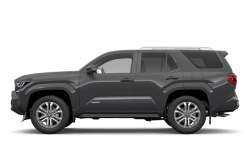
If you're shopping for a new SUV in New Brunswick, you've probably noticed the 2026 Toyota 4Runner. It's built on the TNGA-F platform that debuted in 2025, and it carries over that redesign with a choice of nine grades, two powertrains, and a reputation for off-road capability. This guide walks you through five key questions to help you decide.
1. What's Your Daily Commute Like?
The 4Runner is a body-on-frame SUV, which means it's built more like a truck than a car-based crossover. If your daily drive is a short city commute or mostly highway cruising, you'll want to consider fuel economy. A compact crossover typically delivers better efficiency.
If you drive 20,000 km a year and value the 4Runner's off-road capability for weekend trips, you'll want to weigh fuel consumption against capability. But if your daily drive is under 15 km, the fuel difference might be worth it for the truck-based durability.
Ask yourself: Do I need a body-on-frame SUV for my daily routine, or would a lighter crossover handle my commute more efficiently?
2. How Many People (and How Much Gear) Do You Haul?
The 4Runner is available in five- or seven-seat configurations, depending on the grade. If you have three kids in car seats or regularly shuttle hockey teams, the seven-seat layout gives you flexibility. The third row is tight for adults but works fine for kids on short trips.
Cargo space matters here. The 4Runner is designed for adventure gear, not just groceries. If you're hauling kayaks, camping equipment, or lumber for a cottage project, the 4Runner's rugged interior and roof rack options (including the ARB rack on Trailhunter) make loading easy.
Ask yourself: Do I need three rows of seats regularly, or would a two-row SUV with more cargo space behind the second row work better?
3. What Driving Conditions Do You Face?

New Brunswick winters are real. Snow, ice, freezing rain, and gravel roads are part of the deal from November through March. The 4Runner offers part-time or full-time 4WD, depending on the grade, plus an electronically controlled two-speed transfer case with high and low range.
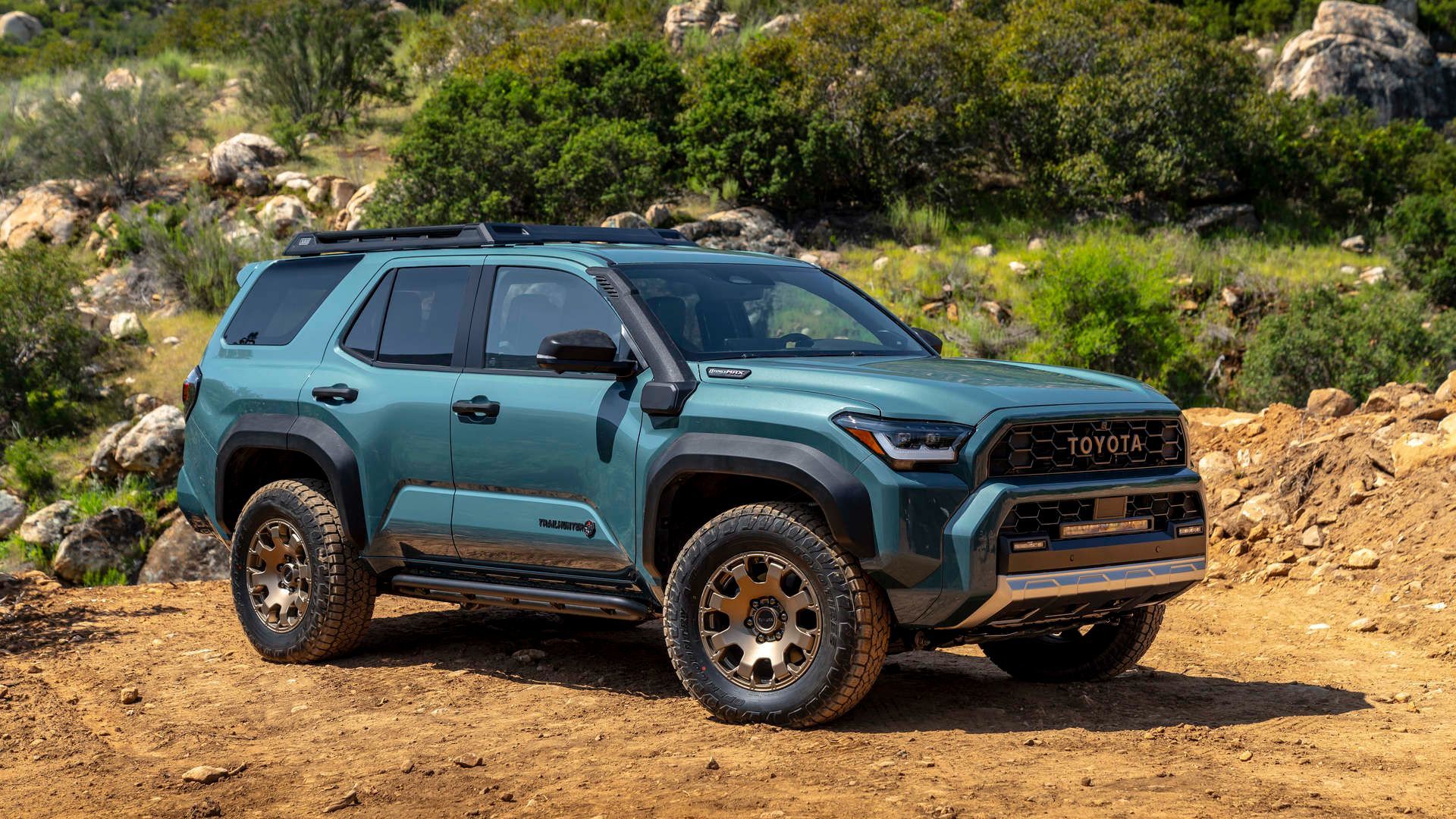
If you live on a rural property, tow a boat, or regularly drive unplowed roads, the 4Runner's off-road hardware makes sense. TRD Off-Road, TRD PRO, and Trailhunter grades add an electronic locking rear differential. The Trailhunter goes further with ARB Old Man Emu 2.5-inch forged shocks and 33-inch Toyo Open Country A/T tires, lifting the front two inches and the rear one and a half inches for serious trail capability.
But if your winter driving is mostly plowed highways and city streets, a crossover with AWD and good winter tires will handle the job. The 4Runner's off-road features are built for conditions most drivers never see.
Ask yourself: Do I actually drive in conditions that require low-range 4WD and a locking rear differential, or am I paying for capability I won't use?
4. Do You Tow, and How Much?
Towing is where the 4Runner shines. The 4Runner's body-on-frame construction gives you confidence on the highway and at the boat launch when towing campers, boats, or utility trailers.
If you're towing a camper to Fundy National Park or hauling a side-by-side to the trails, the 4Runner handles it without strain.
Ask yourself: Do I tow more than a few times a year, and does my trailer require the capability of a body-on-frame SUV?
5. Does the Price Fit Your Budget?
The 2026 4Runner is a significant investment, and it's worth comparing what else you can get in that price range. A well-equipped mid-size crossover with AWD, advanced safety features, and better fuel economy might cost less. The 4Runner's value comes from its off-road capability, towing capacity, and body-on-frame durability - not from being the most affordable option.
If you plan to keep the vehicle for 10+ years, use it for serious outdoor activities, and value the 4Runner's reputation for reliability, the upfront cost spreads out over time. But if you're buying primarily for daily commuting and occasional weekend trips, a crossover might deliver better value.
Ask yourself: Am I buying this SUV for what it can do, or for the image? If I'm honest about how I'll use it, does the price make sense?
Making the Decision
The 2026 Toyota 4Runner is a capable, durable SUV built for drivers who need off-road capability, towing capacity, and the confidence to handle New Brunswick's toughest conditions. It's not the most fuel-efficient choice, and it's not the most affordable, but if your lifestyle demands what it offers, it's hard to beat.
If you answered "yes" to most of the questions above, the 4Runner is worth a closer look. If you found yourself hesitating, a crossover might be a better fit for your daily needs.
Ready to see if the 4Runner fits your life? Visit Acadia Toyota to walk around the lineup, compare the available powertrains, and talk through your specific needs with our team. We'll help you figure out which grade makes sense for your budget and driving conditions. Schedule a consultation today.