
Stay Warm This Winter: Essential Heated Features in Your Toyota
November 28 2025,
Winter in New Brunswick brings freezing temperatures, icy roads, and the kind of cold that makes you question your life choices. For drivers in Moncton, staying comfortable during your commute isn't just about luxury—it's about making winter driving bearable. Toyota's heated features have evolved from premium add-ons to essential cold-weather equipment, and understanding what's available across the lineup helps you choose the right vehicle for Maritime winters.
Modern heated features do more than keep you comfortable. They warm up faster than traditional cabin heating, reduce the load on your vehicle's climate system, and get you moving sooner on those -20°C mornings. Whether you're driving a compact Corolla or a full-size Sequoia, Toyota offers heated technology designed specifically for Canadian winters.
Heated Steering Wheels: Standard Across Most Models
The heated steering wheel has become one of Toyota's most appreciated winter features. Unlike traditional heating that warms the entire cabin first, a heated steering wheel delivers immediate comfort where you need it most—at your hands.
The 2026 Toyota Prius Plug-in Hybrid includes a heated and SofTex-clad steering wheel as standard equipment across all trims. The system activates with a single button press, and an indicator light confirms operation. The steering wheel reaches comfortable temperature within minutes, even when parked overnight in sub-zero conditions.
The 2026 Tacoma lineup takes this further with heated leather-wrapped steering wheels available on SR5+ and higher trims. The TRD Pro grade includes a specialized TRD heated steering wheel designed for off-road use, maintaining grip texture while delivering consistent warmth.
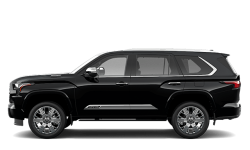
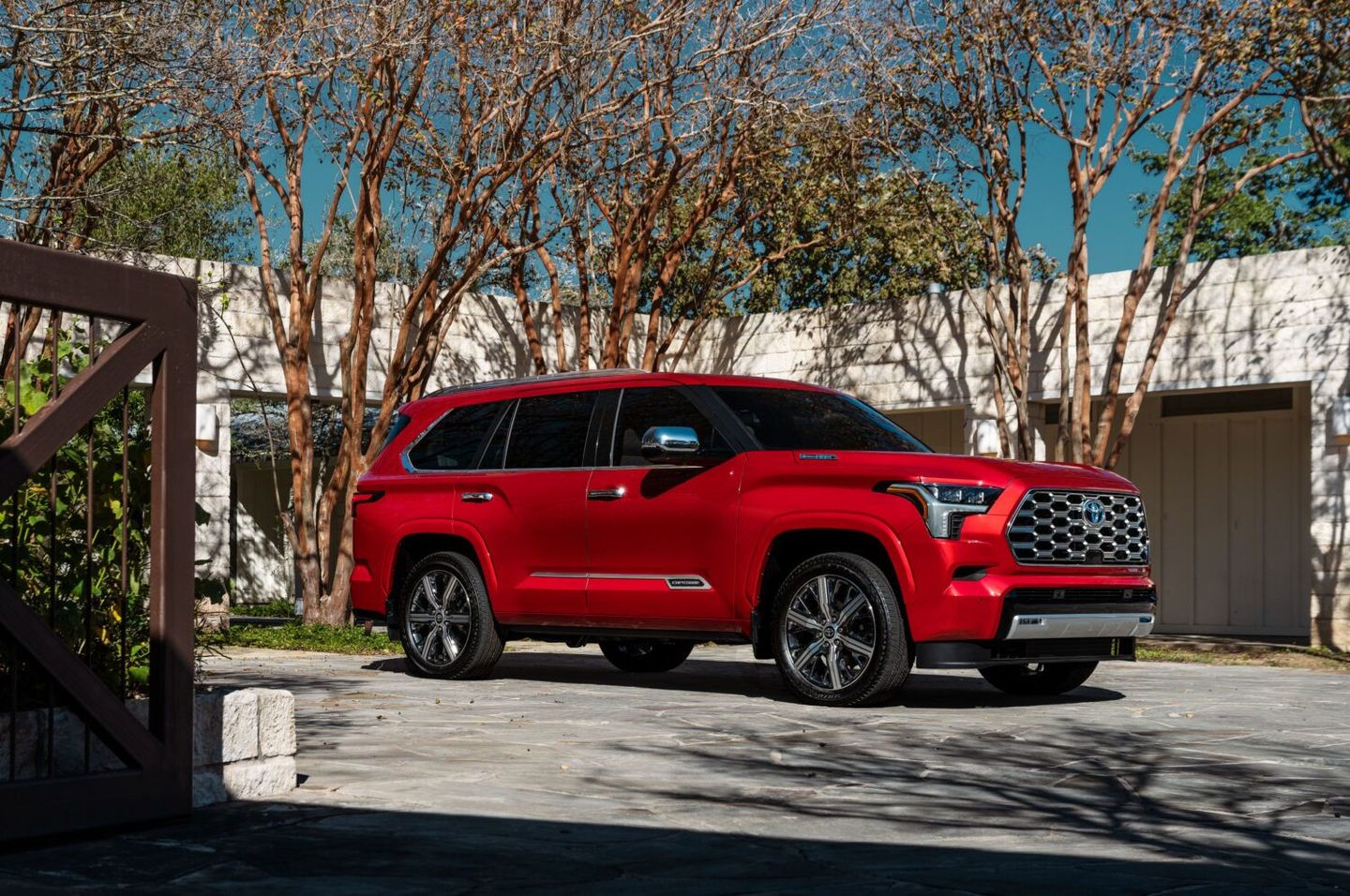
For families choosing the 2026 Sequoia Hybrid, heated steering wheels come standard on every trim level from SR5 through Capstone. The system includes a temperature sensor that regulates heat output automatically, preventing overheating during longer drives while maintaining consistent comfort.
Heated Front Seats: Now Standard Equipment
Heated front seats have transitioned from optional equipment to standard features across most Toyota models. The technology uses embedded heating elements in the seat cushion and backrest, delivering targeted warmth that's more efficient than waiting for cabin air to heat up.
The 2026 Camry Hybrid includes heated front seats as standard equipment on all trim levels. The system offers adjustable heat settings, allowing drivers and passengers to customize their comfort level. On cold Moncton mornings, the seats reach comfortable temperature in approximately two minutes.
The 2026 Corolla Cross includes heated front seats standard across the entire lineup, from base L trim through XLE. This democratization of heated features reflects Toyota's recognition that winter capability matters to all buyers, not just those purchasing premium trims.
In the 2026 Prius Plug-in Hybrid, heated front seats come standard on the SE trim and continue through XSE and Nightshade editions. The seats feature SofTex upholstery that retains heat effectively while remaining easy to clean—important for Canadian winters with salt, sand, and slush.
Heated Rear Seats: Keeping Passengers Comfortable
Rear seat heating extends winter comfort beyond the front row. This feature particularly benefits families with children, elderly passengers, or anyone sitting in the back during longer winter drives through New Brunswick.
The 2026 Prius Plug-in Hybrid XSE adds heated rear seats to the standard heated front seats. The system covers the outboard rear seating positions, ensuring passengers on both sides stay warm. Controls are typically located in the rear centre console, giving passengers independent temperature control.
The 2026 Sequoia Hybrid includes heated rear seats starting at the Limited trim level and continuing through Platinum and Capstone grades. The three-row SUV's heating system covers second-row captain's seats or bench seating, depending on configuration. This becomes essential during family road trips or when transporting passengers during Maritime winter conditions.
The 2026 Corolla Cross adds heated rear seats on upper trim levels, making it one of the few compact crossovers to offer this feature. For families upgrading from sedans, this addition significantly improves rear passenger comfort during winter months.
How Heated Features Work in Electric and Hybrid Models
Heated seats and steering wheels function differently in hybrid and electric vehicles compared to traditional gas engines. Understanding these differences helps explain why these features are particularly important in Toyota's electrified lineup.
In the 2026 Prius Plug-in Hybrid, the heating system uses a heat pump when operating in EV mode. Traditional vehicles extract heat from engine coolant, but electric operation requires alternative heating methods. The heat pump system works efficiently down to approximately 24°C, below which the gasoline engine may activate to provide supplemental heating.
This is where heated seats and steering wheels become crucial for efficiency. By heating the occupants directly rather than the entire cabin, these features reduce the load on the battery system. This preserves electric range during winter driving—a significant consideration for hybrid owners in Moncton's cold climate.
The system includes intelligent controls that optimize heating based on outside temperature. When temperatures drop below freezing, the vehicle may automatically activate heated seats and steering wheel during remote start, ensuring immediate comfort when you enter the vehicle.
Operating Your Toyota's Heated Features
Using heated features in your Toyota is straightforward, but understanding the controls maximizes comfort and efficiency. Most models use similar button layouts and indicator systems across the lineup.
The heated steering wheel activates with a dedicated button, typically located on the steering wheel itself or within easy reach on the dashboard. An indicator light illuminates when the system is active. The steering wheel maintains consistent temperature automatically—you don't need to adjust settings during your drive.
Heated front seats use buttons located on the centre console or door panels, depending on model. Most Toyota models offer three heat settings: High (three segments lit), Medium (two segments lit), and Low (one segment lit). The system cycles through these settings with each button press, allowing you to find your preferred comfort level.
For models with heated rear seats, controls are usually positioned in the rear centre console or accessible through the climate control system. This gives rear passengers independent control over their heating without requiring driver intervention.
The power switch must be in ON position for any heated features to operate. Using heated features with the vehicle off will drain the 12-volt battery, so Toyota recommends operating these systems only when the engine or hybrid system is running.
Heated Features Across the 2026 Toyota Lineup

|
Model |
Heated Steering Wheel |
Heated Front Seats |
Heated Rear Seats |
|
2026 Camry Hybrid |
Available on XLE and XSE trims |
Standard on all trims |
Not available |
|
2026 Corolla Cross |
Available on upper trims |
Standard on all trims |
Available on XLE |
|
2026 Prius Plug-in Hybrid |
Standard on all trims |
Standard on all trims |
Standard on XSE and Nightshade |
|
2026 Tacoma |
Available on SR5+ and higher |
Available on upper trims |
Not available |
|
2026 Sequoia Hybrid |
Standard on all trims |
Standard on all trims |
Available on Limited and higher |
Maximizing Efficiency with Heated Features
Using heated features strategically improves both comfort and efficiency during New Brunswick winters. These practices help you stay warm while minimizing impact on fuel economy or electric range.
Activate heated seats and steering wheel immediately when starting your vehicle in cold weather. These features warm up faster than the cabin heating system and use less energy. Once the cabin reaches comfortable temperature, you can reduce or turn off seat heating while maintaining overall comfort.
For hybrid models like the Prius Plug-in Hybrid, using heated features during the initial warm-up period reduces the need for high-output cabin heating. This preserves battery charge and extends electric driving range—particularly valuable for daily commutes around Moncton.
Remote start systems can pre-activate heated features before you enter the vehicle. The 2026 Sequoia Hybrid and other models with remote start capability can automatically turn on heated steering wheel and seats based on outside temperature, ensuring immediate comfort when you open the door.
During longer highway drives, consider reducing heat settings once you've reached comfortable temperature. The heated features will maintain warmth effectively at lower settings, reducing energy consumption while keeping you comfortable throughout your journey.
Why Heated Features Matter for Maritime Winters
New Brunswick's winter climate makes heated features particularly valuable. Moncton experiences average January temperatures around -10°C, with frequent cold snaps bringing temperatures well below -20°C. Wind chill from coastal weather systems makes these temperatures feel even colder.
Traditional cabin heating systems work by warming air and circulating it through vents. This process takes time, especially in larger vehicles like the Sequoia or Grand Highlander. During the 10-15 minutes required to warm the cabin fully, you're left holding a freezing steering wheel and sitting on cold seats.
Heated features provide immediate relief. The steering wheel reaches comfortable temperature within 2-3 minutes. Heated seats warm up even faster, often providing noticeable comfort within 60-90 seconds. This immediate warmth makes the difference between dreading your morning commute and starting your day comfortably.
For families with children, heated rear seats ensure everyone stays comfortable during winter activities. Whether driving to hockey practice, heading to school, or taking weekend trips to nearby Magnetic Hill or Fundy National Park, rear passengers benefit from the same winter comfort as front occupants.
Safety Considerations for Heated Features
While heated features enhance winter comfort, Toyota includes important safety guidelines in their owner's manuals. Understanding these precautions ensures safe operation for all passengers.
Individuals with reduced skin sensitivity should exercise caution when using heated seats or steering wheels. This includes elderly passengers, young children, individuals with certain medical conditions, or anyone taking medications that affect temperature perception. The heating elements can cause discomfort or minor burns if left on high settings for extended periods.
Never cover heated seats with blankets, cushions, or seat covers not specifically designed for heated seats. Covering the heating elements can trap heat, potentially damaging the seat or creating safety hazards. If you use seat covers, ensure they're designed for heated seat applications.
The heated steering wheel includes automatic temperature regulation to prevent overheating. However, if you notice the steering wheel becoming uncomfortably hot, turn the system off and have it inspected at your dealership. The system should maintain comfortable warmth without excessive heat.
Don't use heated features continuously when the vehicle is off or idling for extended periods. This can drain the 12-volt battery, potentially leaving you stranded. Toyota recommends using heated features only when the engine or hybrid system is running normally.
Comparing Heated Features to Traditional Heating
Understanding how heated seats and steering wheels complement your vehicle's climate system helps you use both effectively during Moncton winters.
Traditional HVAC systems heat the entire cabin by warming air and circulating it through vents. This approach works well once the system reaches operating temperature, but requires significant time and energy during initial warm-up. In hybrid vehicles, this heating load can reduce electric range by 20-30% in severe cold.
Heated seats and steering wheels use radiant heating—warming objects (you) directly rather than heating air first. This proves more efficient because it delivers warmth where needed without heating the entire cabin volume. The energy required to heat seats and steering wheel is significantly less than running the HVAC system at maximum output.
The most effective strategy combines both systems. Start with heated seats and steering wheel for immediate comfort. Allow the HVAC system to warm gradually, reducing its initial load. Once the cabin reaches comfortable temperature, you can lower or turn off seat heating while maintaining comfort through the climate system.
This combined approach particularly benefits hybrid models. By reducing HVAC load during warm-up, you preserve battery charge and extend electric driving range. For the 2026 Prius Plug-in Hybrid operating in EV mode around Moncton, this strategy can add several kilometres of electric range during winter driving.
Discover Winter Comfort at Acadia Toyota
Winter driving in Moncton demands vehicles equipped for Maritime conditions. Toyota's heated features—from steering wheels to front and rear seats—transform cold-weather commuting from an endurance test into a comfortable experience. Whether you're considering the efficient Corolla Cross, the family-focused Highlander, or the capable Sequoia, heated features are now standard or available across the lineup.
Visit Acadia Toyota in Moncton to experience these winter comfort features firsthand. Our team can demonstrate how heated seats and steering wheels work in your preferred Toyota model and help you choose the configuration that best matches your winter driving needs in New Brunswick.