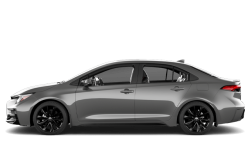

2026 Corolla Sedan or Hatchback: Which Cargo Space Fits Your Needs and Gear?
August 25 2026,
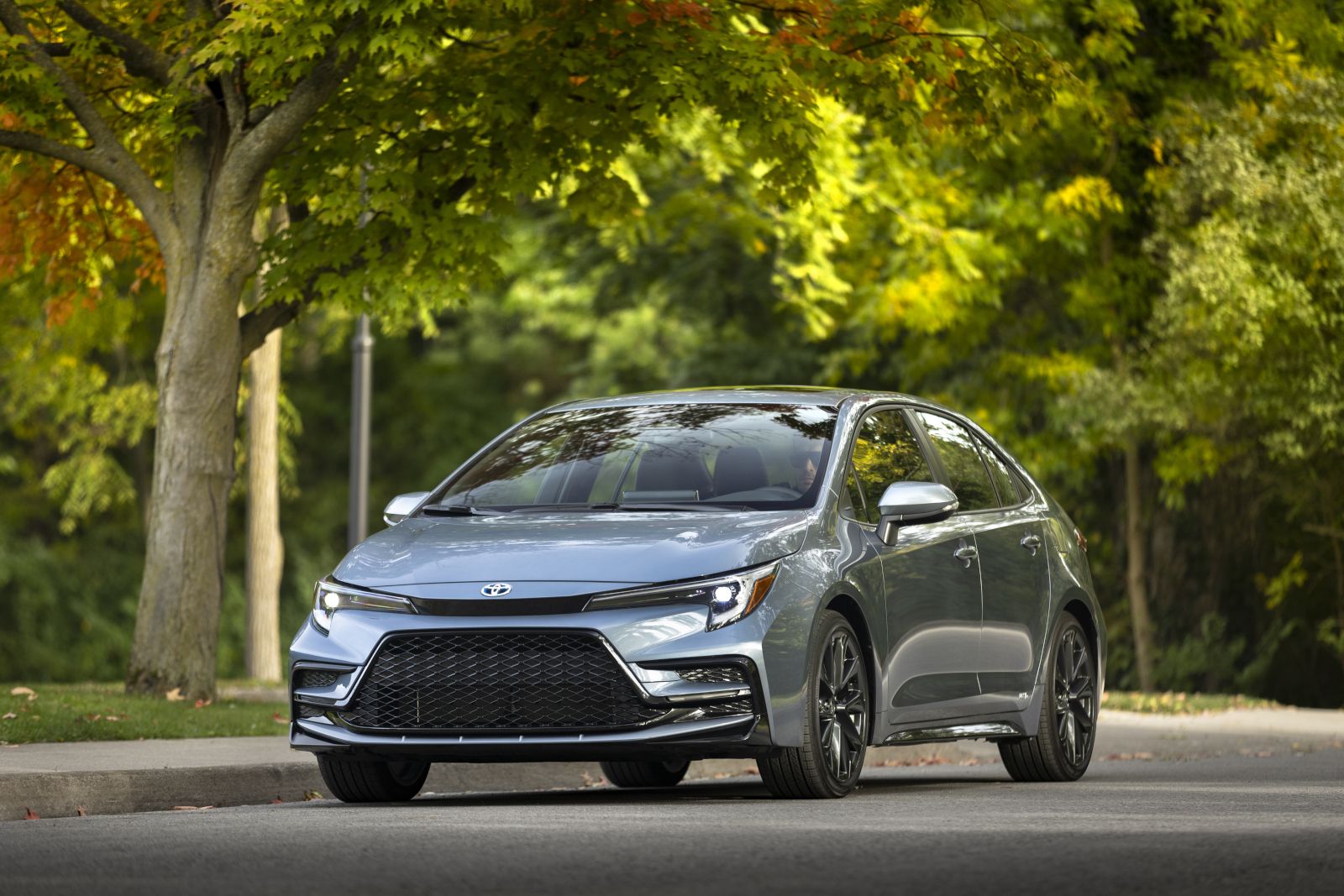
Two Corolla shapes, one gas engine, and a very different answer to “where does this stuff go?” If you are cross-shopping the Corolla Sedan and Corolla Hatchback in New Brunswick, the real decision usually comes down to how you load a car, not how fast it goes.
Both run the same 2.0-litre engine. What changes is the space behind the back seat, and how you get things into it.
Corolla Sedan vs Corolla Hatchback: Side-by-Side
|
Spec |
Corolla Sedan |
Corolla Hatchback |
|
Cargo volume |
371 L (trunk) |
660 L (seats folded) |
|
Payload |
420-465 kg (by trim) |
455 kg |
|
Rear legroom |
883 mm |
759 mm |
|
Length |
4,631 mm |
4,370 mm |
|
Wheelbase |
2,700 mm |
2,640 mm |
|
Ground clearance |
135 mm |
130 mm |
|
Fuel economy (combined) |
6.7 L/100 km |
6.8 L/100 km |
|
Engine |
2.0L I4, 169 hp, 151 lb-ft |
2.0L I4, 169 hp, 151 lb-ft |
Loading Bags, Groceries, and Gear
The Corolla Sedan carries a 371 L trunk that stays the same shape no matter what is inside it. Groceries, luggage, and duffel bags load through a narrow opening but stay hidden and secure.
The Corolla Hatchback opens differently. Lift the rear hatch and the load floor is wide and low, which makes it easier to slide in bulky or awkward items like a stroller frame, a cooler, or a folded bike. With the 60/40 rear seats folded, that space grows to 660 L.
If your gear is mostly bags and boxes, the sedan’s enclosed trunk is enough. If you regularly haul odd-shaped items that do not fit a trunk opening, the hatchback’s wide hatch is easier to live with.
When Passengers and Cargo Share the Cabin
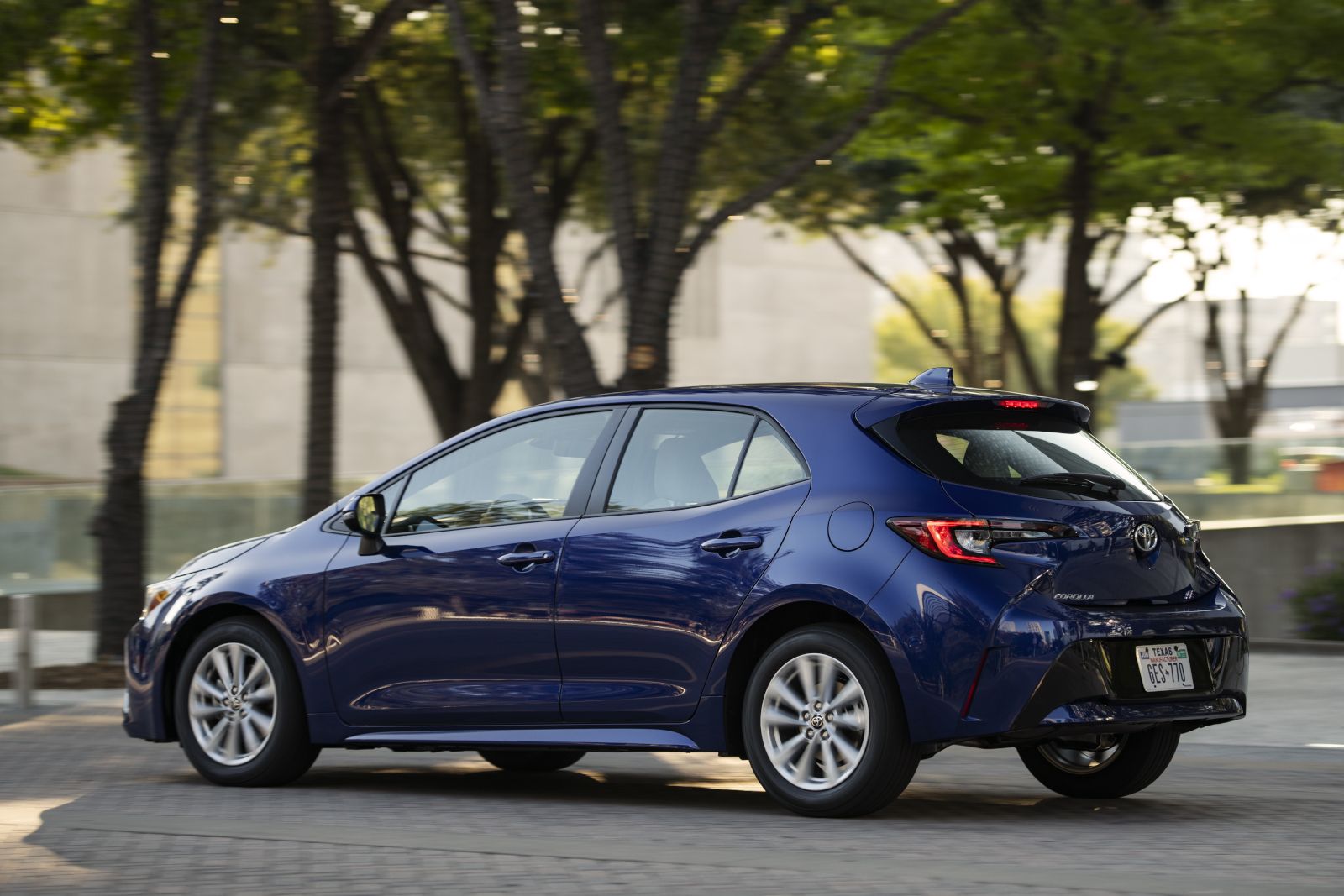
This is where the two shapes really separate. The Corolla Sedan gives rear-seat passengers 883 mm of legroom, noticeably more than the Corolla Hatchback’s 759 mm. For a driver who regularly carries adults or growing kids in the back seat, that gap is felt on every trip.
The trade-off runs the other way for cargo. The Hatchback’s 660 L folded-seat volume beats what the sedan’s fixed trunk can offer, but folding those seats down means giving up rear-seat use entirely for that trip.
For a New Brunswick driver who splits time between carpooling and solo errands, the question is simple: do you need the back seat and the trunk working at once, or can cargo take over the back seat when it needs to?
Everyday Storage That Adds Up
Main cargo space is not the only thing that affects how a car feels to live with day to day. The Corolla Sedan comes standard with three USB-C charging ports (one front, two rear) across the lineup, keeping rear passengers charged without an upgrade.
The Corolla Hatchback’s base SE trim includes a single USB charging port, with two additional rear USB ports added as you move up to SE Upgrade or XSE. For a household where everyone in the back seat needs a charger, that is a real difference to check before choosing a trim.
Both body styles offer the Toyota Multimedia system with an 8-inch touchscreen and wireless Apple CarPlay and Android Auto, so daily connectivity is consistent either way.
Footprint and Manoeuvrability
The Corolla Hatchback is about 260 mm shorter overall than the Corolla Sedan, with a wheelbase that is 60 mm tighter as well. That shorter footprint makes a difference in a packed grocery store lot or a tight downtown parking spot.
The Sedan’s longer wheelbase supports that extra rear legroom, but it also means a longer car to park and manoeuvre in tighter spaces. Neither shape has an advantage in outright visibility; the difference is simply how much car you are placing between two lines.
Which Corolla Fits Your Drive?
If you regularly drive with rear-seat passengers, whether that is car pool duty, family trips, or a couple that likes stretching out, the Corolla Sedan’s 883 mm of rear legroom and enclosed 371 L trunk cover that pattern well. Groceries, luggage, and daily errands fit without folding a single seat.
If your routine leans toward Costco runs, sports gear, outdoor equipment, or items that do not fit neatly into a trunk opening, the Corolla Hatchback’s 660 L folded-seat cargo area and wide hatch access solve that problem more directly. The shorter footprint also helps in tighter city parking.
Neither shape is the compromise pick. They are built around two different loading habits, and the right one comes down to whether your cargo needs show up occasionally or every week.
Bring Your Gear List to Acadia Toyota
The Corolla Sedan and Corolla Hatchback share an engine and a badge, but they solve different loading problems. One protects rear-seat comfort with an enclosed trunk; the other trades some rear legroom for a wider, more flexible cargo floor.
Visit Acadia Toyota in Moncton to sit in both back seats and check the trunk and hatch openings against your own gear list before you decide. Bring your stroller, cooler, or hockey bag along for a real fit check.